
Asphalt Paving Costs in 2025: Driveway and Parking Lot Pricing Guide
Asphalt paving costs $3-$7 per square foot installed, with driveways averaging $4,500-$9,000. Learn what affects pricing and how to plan your paving project.
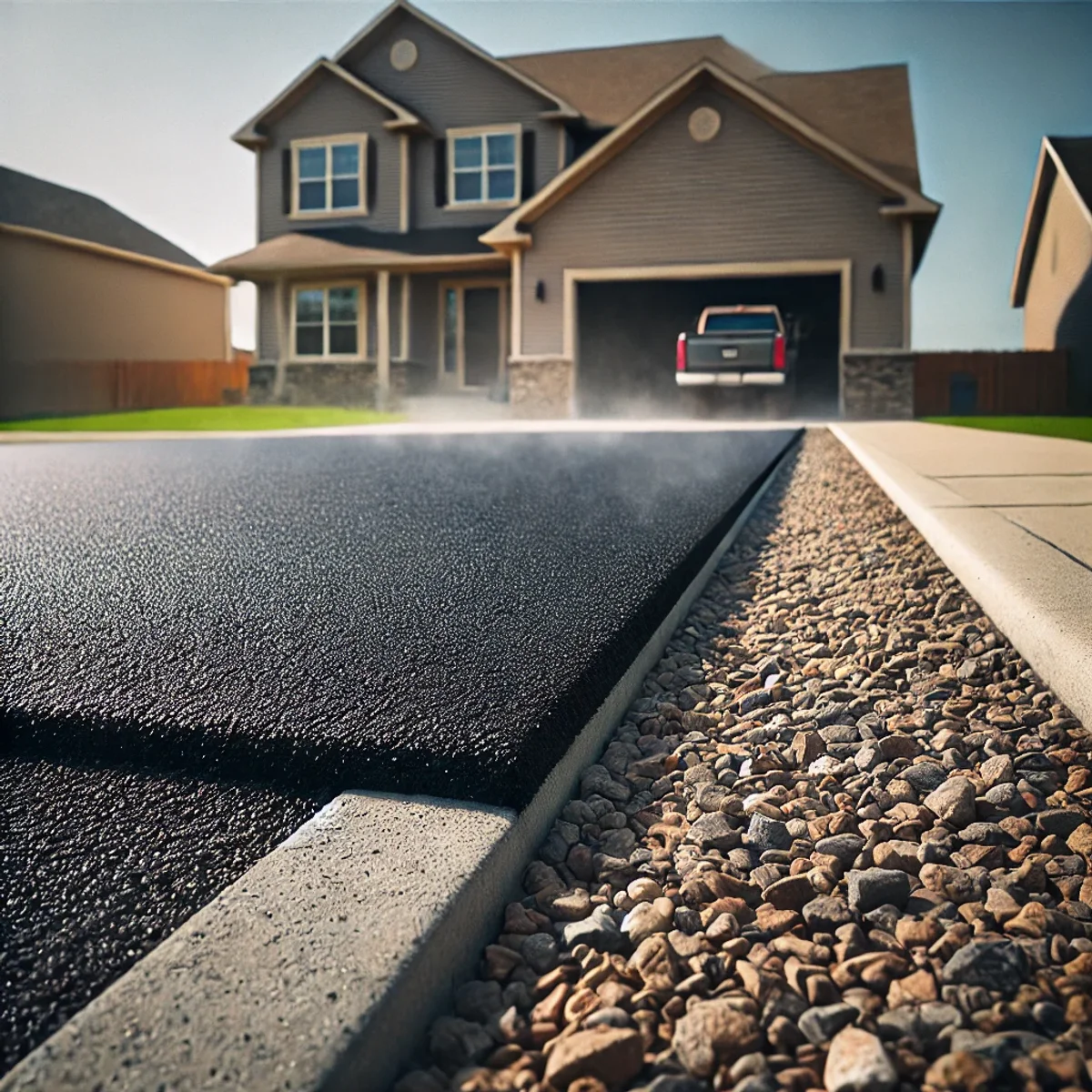
Asphalt Paving Costs in 2025: Driveway and Parking Lot Pricing Guide
Asphalt remains the most cost-effective paving option for driveways and parking lots, offering durability at roughly half the cost of concrete. Understanding current pricing helps you budget accurately and recognize fair contractor bids.
Current Asphalt Pricing (2025)
Hot mix asphalt (HMA) material costs $90–$150 per ton depending on mix type and regional availability. For most residential projects, installed costs matter more than material prices.
Installed Cost Ranges
| Project Type | Cost per Sq Ft | Typical Project Cost |
|---|---|---|
| Residential driveway | $3–$7 | $4,500–$9,000 (600 sq ft) |
| Parking lot (new) | $2.50–$5 | $25,000–$50,000 (10,000 sq ft) |
| Overlay (resurfacing) | $1.50–$3 | $2,000–$4,000 (driveway) |
| Commercial entrance | $4–$8 | Varies by scope |
Standard residential driveways use 2–3 inches of asphalt over 4–6 inches of compacted gravel base. Commercial applications require 3–4 inches of asphalt with heavier base preparation.
What Drives Asphalt Costs
Oil Prices: Asphalt is a petroleum byproduct. Crude oil fluctuations directly affect material costs, though the relationship isn't immediate—price changes lag oil markets by 2–3 months.
Transportation Distance: Asphalt must be installed hot (275–300°F), limiting delivery range. Projects far from batch plants incur higher costs due to material cooling and potential reheating needs.
Base Preparation: On new installations, base work represents 30–40% of total cost. Existing stable bases for overlays significantly reduce project costs.
Project Size: Small driveways (under 500 sq ft) cost more per square foot due to minimum equipment mobilization charges. Contractors may charge $800–$1,500 just to bring equipment on site.
Regional Price Variations
| Region | Cost Range | Notes |
|---|---|---|
| Southeast | $3–$5/sq ft | Lower material costs, longer season |
| Northeast | $4–$7/sq ft | Shorter season, higher labor |
| West Coast | $4–$8/sq ft | Strict environmental regulations |
| Midwest | $3–$6/sq ft | Competitive market, moderate costs |
| Mountain West | $4–$7/sq ft | Transportation adds to costs |
Climate affects both pricing and timing. Northern states have limited paving seasons (April–November), creating seasonal price pressure during peak months.
Asphalt vs. Concrete: Cost Comparison
| Factor | Asphalt | Concrete |
|---|---|---|
| Installation cost | $3–$7/sq ft | $6–$14/sq ft |
| Lifespan | 15–20 years | 25–30 years |
| Maintenance | Seal every 3–5 years | Minimal |
| Repair cost | Lower, DIY-friendly | Higher, requires professional |
| Climate performance | Better in freeze/thaw | Can crack from salt damage |
For a 600 sq ft driveway:
- Asphalt: $4,500–$7,000 upfront + $200–$400 sealing every 3–5 years
- Concrete: $6,000–$12,000 upfront + occasional crack repair
Over 20 years, total costs are often similar, but asphalt requires lower initial investment.
How to Calculate Asphalt Tonnage
Area (sq ft) × Depth (inches) × 0.057 = Tons needed
For a 600 sq ft driveway at 3 inches thick:
- 600 × 3 × 0.057 = 102.6 tons
Add 5–10% for waste and compaction:
- 102.6 × 1.10 = 113 tons
At $100–$140 per ton for material only, that's $11,300–$15,820 in asphalt alone. Labor and equipment add 40–60% more.
Signs You Need Asphalt Repair vs. Replacement
Repair candidates ($200–$1,500):
- Isolated cracks under 1/2 inch wide
- Small potholes (under 2 sq ft)
- Surface raveling in limited areas
- Driveway under 15 years old
Replacement indicators ($4,000–$10,000):
- Alligator cracking (interconnected cracks)
- Multiple large potholes
- Base failure causing sinking or heaving
- Extensive drainage problems
- Driveway over 20 years old
When repair costs exceed 30–40% of replacement cost, full replacement usually makes more sense.
Getting Quality Contractor Bids
A thorough asphalt bid should specify:
- Base preparation: Excavation depth, gravel type and thickness, compaction method
- Asphalt specifications: Mix type, thickness, installation temperature requirements
- Edging details: How edges will be finished and contained
- Drainage: How water will be directed away from structures
- Warranty: Typically 1–2 years for workmanship
Avoid contractors who can't explain their process or quote over the phone without site inspection.
Frequently Asked Questions
How long before I can drive on new asphalt? Most contractors recommend waiting 3–5 days for light vehicles, longer in hot weather. Full curing takes 6–12 months, during which you should avoid sharp turns in the same spot and heavy equipment.
When should I seal my asphalt driveway? Wait at least 6 months after installation for initial sealing. Then seal every 3–5 years to protect against oxidation and water penetration. Cost: $0.15–$0.25 per square foot DIY, $0.50–$1.00 professional.
Can asphalt be installed in cold weather? Asphalt requires ground temperature above 50°F for proper compaction. Late fall installations may not compact fully, leading to premature wear. In northern climates, October is typically the latest advisable installation month.
Next Steps
Use our Asphalt Calculator to estimate material quantities and approximate costs for your specific project dimensions.
For accurate pricing, request quotes from at least three paving contractors and ask for references from similar completed projects in your area.
Try Our Free Asphalt Calculator
Estimate asphalt paving costs for your project instantly.
Calculate Now →Related Articles
 Featured
Framing Costs in 2025: Lumber Pricing and Structural Construction Guide
Framing costs $7-$16 per square foot, with lumber prices stabilizing after 2021-2022 volatility. Learn what affects structural framing costs for your building project.
 Featured
Concrete Costs in 2025: What Every Homeowner and Contractor Should Know
Current concrete pricing ranges from $135-$185 per cubic yard, with installed costs of $6-$14 per square foot. Learn what drives these costs and how to estimate accurately for your project.
 Featured
Flooring Costs in 2025: Installation Pricing by Material Type
Flooring installation costs $3-$25 per square foot depending on material. Learn pricing for hardwood, tile, laminate, and carpet to budget your project accurately.
Explore More Construction Calculators
Get instant, accurate cost estimates for your next project.
Try the Asphalt Calculator